

Guide to Your Siberian and Neva Masquerade Cat's Arrival: Tips for New Owners
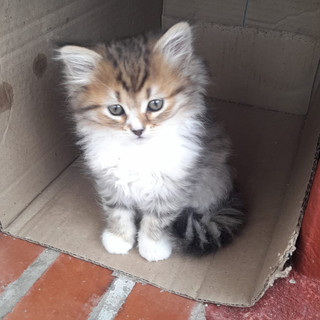
Aurelio Zeus Edgar Nina Camada Brown Tabby Mila
Welcome to the wonderful world of living with your new Siberian cat!

Bringing a new cat home—whether or not the family has owned cats before—is a very exciting event for everyone involved. To ensure you provide the best possible home for your cat—and keep them happy and healthy—it is helpful to understand some basics about cats before you start enjoying their purrs. They are fantastic companions that bring their humans indescribable joy, but to thrive, they need a few key things to be just right.
Here are some tips on what your cat needs and what it expects from its new family.
Your cat's needs
What you need before the cat arrives:
A carrier for the trip home (preferably made of plastic or wipeable fabric, as these are easy to clean). You can find them on Amazon.
A food bowl.
Cat food (kibble). Look for high-protein options; in the wild, cats feed primarily on protein. They also love a little shredded chicken—it’s their favorite treat!
A water bowl or fountain. Change the water frequently to keep it clean and cool, and place it away from the food; cats prefer it that way.
A litter box and a scoop for cleaning. You need to clean it at least once a day. You can start with a large, lidded box to prevent litter from spilling onto the floor.
Cat litter. Choose a high-quality brand that clumps well and is easy to clean.
Cardboard boxes for playing and scratching—cats love using them as private hiding spots!
Some cat toys so you can have fun together; DollarCity has some great options.
Scratching posts or cat trees with sleeping cubbies; these will help prevent damage to your furniture.
A grooming brush; regular brushing helps with their daily hygiene and keeps their fur tangle-free.
Cat nail clippers. Handle their paws gently from a young age so they get used to the touch, making it easier to press their paws and trim their nails without a fuss.
This list covers the essentials. However, here are a few additional recommendations:
Important tips
😻 Ensure a safe and secure environment. Introducing a cat of any age to a new home can be a daunting experience for them. A new environment can make them anxious, and they need time to adapt. Setting up a cat-friendly home from the beginning will help them adjust more quickly. Start with just one room, as cats can become easily overwhelmed by too many unfamiliar smells, people, and objects at once. Allow the cat to acclimate in a single room to maintain low stress levels. Keep noise levels down and provide plenty of small hiding places, as well as platforms or elevated areas, so the cat has safe places to retreat. For an added touch, use a diffuser with calming scents—such as lavender—specifically designed for cats. Veterinarians recommend soothing aromas, including mild pheromones, to help relax them.
😺 Slowly familiarize your cat with other pets and young children to foster a peaceful and safe setting. Ensure the cat feels fully at ease in its new environment before introducing new elements like other animals or young kids. Since both can be quite inquisitive, it's crucial to make these introductions as gradual as possible. Start by introducing the cat to the scents of blankets and toys, then move on to brief, supervised meetings through a doorway, and eventually attempt short, face-to-face interactions. This process may require significant time and patience, but it will be worthwhile in the long run.
😽 The placement of food and water bowls is key. Cats care a great deal about the location of their food and water bowls, and generally, they do not like to eat where they drink. This is natural behavior; in the wild, they wouldn't find water right next to their food. Consequently, they are more likely to drink if their water source is separate from their food. Cats also benefit from having multiple water sources around the house; it is not uncommon to see them drinking from faucets or puddles, even when they have a fancy water fountain of their own. A couple of extra water bowls placed around the area (and cleaned daily) will give your cat the chance to stay nicely hydrated.
😼 Opt for premium cat litter, as it minimizes the risk of allergic reactions and keeps your home smelling fresh. High-quality litter effectively clumps to eliminate odors, simplifying cleanup, and it doesn't fill your home with overpowering artificial fragrances.
😻 Scratching posts are essential for cats. There's no need to purchase the priciest cat gym with multiple levels and carbon-fiber materials. You can create one yourself using cardboard boxes, wooden logs, or PVC pipes from a hardware store wrapped in sisal rope, or simply buy one from Amazon. Scratching is as important as using the litter box or grooming; it allows cats to mark their territory and feel comfortable, while also helping them relax. If you care about your furniture (and most of us do), you'll appreciate having these scratching posts.
😸 Choose the appropriate veterinarian. Approach selecting a vet for your new cat as you would when choosing a doctor for yourself. Many cats have temperamental personalities and may not be compatible with everyone. Conduct some research in advance: assess the cat-friendliness of the local veterinary clinic and determine if any of the veterinarians specialize in feline care. Vets with expertise in feline behavior can help make the vet visit more positive.
😽 Providing high-quality cat food is crucial, as cats can discern the difference. Proper cat nutrition is vital: it can enhance existing health conditions, prevent new issues, and support graceful aging. Being carnivores, cats don't require fruits or vegetables in their diet; they need high-quality meat and minerals like calcium and magnesium. Outdoor hunters likely obtain these nutrients from their daily "gifts." For indoor cats and non-hunters, these nutrients must be sourced from their food. Opt for high-protein, low-grain options. Enhance their diet with ground chicken or chicken livers and hearts, which they adore. Consult your veterinarian for recommendations and develop a personalized diet plan for your cat's specific needs.
😼 Incorporate playtime into your daily routine. Play is crucial for cats as it offers both physical exercise and mental stimulation. Cats can easily become bored, which might result in destructive behavior, excessive vocalization, or even depression. To avoid this, dedicate at least 10 minutes each day to playtime, ensuring your cat remains happy and healthy.
😸 Don't forget about grooming, which is important for both long-haired and short-haired cats. Long-haired cats require daily brushing to avoid uncomfortable tangles, while short-haired cats benefit from brushing once or twice a week. This helps reduce hairballs and minimizes dander and loose fur in your home. If necessary, consider using "hairball" pastes (available on Amazon) to help fur pass through their system.
😺 Let them experience the outdoors. Whether you decide to keep your cat indoors or allow them outside is a personal choice. Every cat owner's situation is unique, so there's no definitive right or wrong decision. For indoor cats, having access to the outdoors can enhance their physical and mental well-being. Cats naturally thrive in outdoor environments; stimuli like observing birds or wildlife, scratching tree branches, or simply enjoying fresh air can significantly impact their behavior. You can achieve this by installing a window hammock (available on Amazon) or covering open windows with screens or mesh.
If you reside in a high-rise apartment and prefer to keep doors and windows open, it's essential to install screens to prevent your cat from attempting to jump out when they see a bird or butterfly.
Some pet owners create a "catio," an enclosed, screened area that limits their roaming. Alternatively, you might harness-train your cat for walks. Whatever option you choose, even a little exposure to nature can make your cat happier and healthier.
😻 Cats are home-loving creatures whose territory is defined by your house. They get stressed easily by sudden changes, which can even make them sick. The next time you need to be away or travel, avoid the stress and hassle of a boarding facility. Instead, look for a trusted cat sitter who can stop by your home every day to clean the litter box and provide fresh food and water—and yes, to brush and pamper them, too.

We wish that having a cat brings you as much comfort and emotional fulfillment as it does for us. Best of luck!
Sources:
Comments